Having the Gear Isn’t Enough

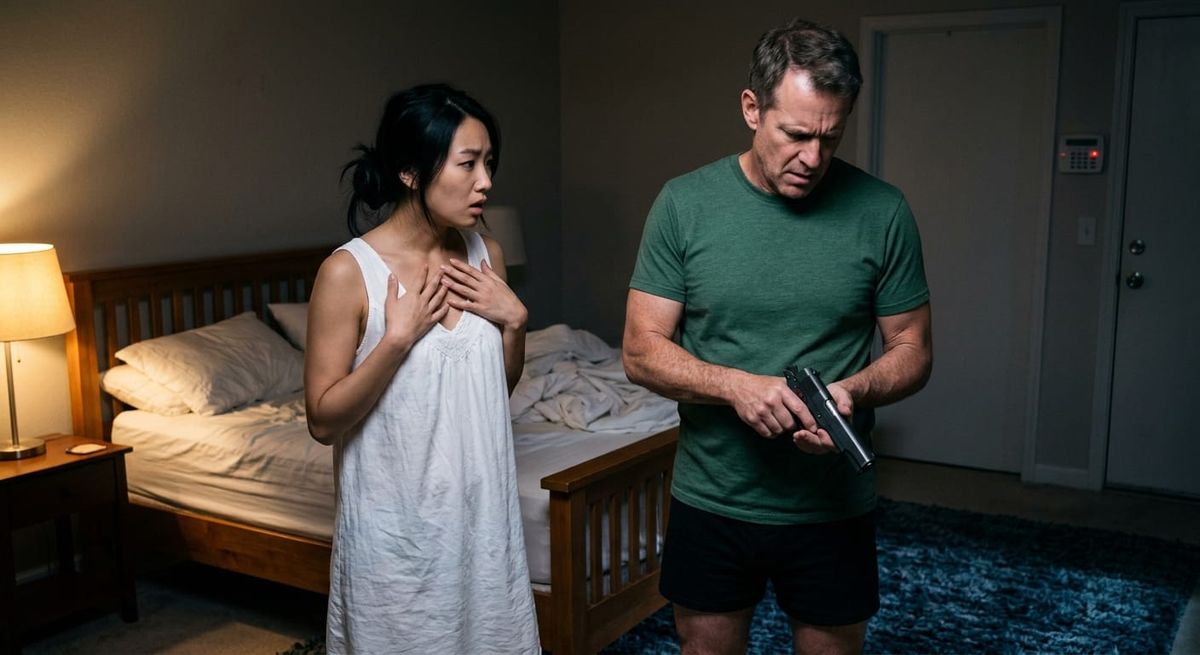
Let's examine a scenario together:
The alarm goes off at 2:17 a.m.
You’re half-asleep. Heart rate spikes. Adrenaline dumps into your system. You grab the pistol from the nightstand and… hesitate. Where’s the safety? Is the magazine seated? Is this the gun with the different trigger? You’re fumbling in the dark while seconds tick by.
This is not the time to learn how your defensive firearm works.
Gear Without Training Is Just Expensive Clutter
Owning a firearm for home defense is responsible. Keeping it unloaded in a safe, or loaded with untested ammo, or rarely handled, is not. In a real emergency you will not perform like you do on a calm range day. Expect:
Disoriented
Sudden awakening, loud alarms, unfamiliar sounds, and darkness scramble your sense of direction and time. You may not immediately know which room you’re in, where family members are, or even which way the threat is coming from. Simple tasks—finding the light switch, grabbing the correct firearm, or recalling a plan—take longer than you expect.
Operating under extreme stress
Adrenaline and cortisol surge. Heart rate climbs past 150 bpm. Decision-making narrows. You default to whatever you have practiced the most—or to freezing if you haven’t practiced under pressure. Fine judgment (“Is that a threat or my family member?”) becomes harder exactly when you need it most.
Experiencing degraded fine motor skills
Under high stress, small muscle control deteriorates. Magazines that seat easily on the range can feel clumsy. Safety levers, slide stops, and magazine releases become harder to manipulate precisely. Gross motor skills (grip, present, press) hold up better than delicate ones—another reason simple, consistent manipulations matter.
Dealing with low light and tunnel vision
Most home invasions happen in low or no light. Your visual field narrows (tunnel vision), depth perception worsens, and you lose peripheral awareness. Identifying a target, seeing your sights, and scanning for additional threats all become more difficult. A weapon light and practiced low-light techniques are not optional extras—they are core skills.
Your reaction time will already be slower than on the range. Adding uncertainty about how the gun operates makes a bad situation worse.
Stress Inoculation: Train the Way You’ll Fight
Stress inoculation means deliberately practicing under controlled pressure so the real event feels less foreign. Useful techniques:
- Cold start / surprise drills
Have a training partner start a timer or give a sudden “Threat!” command while you’re sitting, lying down, or distracted. Practice moving from rest to a ready, aimed position. The goal is reducing the freeze and the fumbling. - Elevated heart-rate training
Do 20–30 seconds of intense exercise (burpees, sprints in place, push-ups), then immediately perform draw, presentation, malfunction clearance, or reload. This approximates the physical effects of adrenaline so your hands learn to work when shaking. - Low-light and no-light practice
Dry fire and live fire (where safe and legal) with lights off or dimmed. Practice identifying targets, using a weapon light, and moving without relying on full vision. Include flashlight/handgun techniques you will actually use at home. - Decision-making under pressure
Use “shoot / no-shoot” targets or verbal commands from a partner. Force yourself to think while moving and handling the gun. Stress plus decision-making is where most people degrade fastest. - Malfunction drills when tired or rushed
Intentionally set up failures to feed, failures to eject, or empty-gun situations and clear them on a clock. Then do the same after physical exertion. Your defensive gun and ammo should be proven under less-than-ideal conditions. - Full-house walk-throughs
In a safe, unloaded condition, practice your actual home plan: from bed to hallway, to children’s rooms, to predetermined positions. Do it in the dark. Do it with a shot timer. Familiarity with your environment reduces disorientation when it counts.
Stress will still hit you. The difference is whether you’ve already felt a controlled version of it and built the reps so the gun, the plan, and the manipulations are automatic.
Best Practices for Being Actually Prepared
1. Know your defensive firearm inside and out
You should be able to load, unload, clear a malfunction, and operate the safety (if it has one) by feel, in the dark, under stress. If you have to look at the gun to figure it out, you don’t know it well enough yet.
2. Train the “what if” scenarios
What if the first round doesn’t fire?
What if it fails to feed?
What if you need to reload one-handed?
What if you’re moving to a family member’s room?
Dry practice and live-fire training that includes malfunctions and decision-making beats pure bullseye shooting for defensive readiness.
3. Test your defensive ammunition
Never rely on a defensive load you haven’t run through your gun in meaningful quantity. A hollow point that looks great on paper can fail to feed or extract in your specific firearm. Function-test it. Confirm point of impact. Then keep a consistent defensive load and track how it performs.
4. Measure and improve reaction time
From “threat recognition” to first accurate shot matters. Simple timer drills (even with dry fire) reveal how long it actually takes you to get the gun into action from your ready condition. Stress makes that number worse, not better—so build margin now.
5. Maintain the gun like lives depend on it
A neglected defensive firearm is a liability. Regular inspection, cleaning after use, lubrication, and function checks are part of readiness—not optional chores.
Where Tracking Helps
This is exactly why a Maintenance & Usage Log of DPO Ready Center matters. When you record range sessions, round counts, ammunition used, malfunctions, and maintenance performed, you create a clear picture of:
- How much real training you’ve done with the defensive gun
- Whether a particular ammo has been reliable in your firearm
- When the gun was last inspected or cleaned
- Patterns (recurring stoppages, accuracy shifts, etc.)
Guessing is not a plan. Data is.
The Hard Truth
In an emergency you will default to the level of your training—not the level of your intentions or the amount of gear you own. The time to become fluent with your defensive firearm is on the range and in dry practice, not at 2:17 a.m. with an alarm blaring.
Own the gun.
Maintain the gun.
Train with the gun.
Test the ammo you plan to trust.
Then, if the worst happens, you already know what to do.