Managing Your Firearms: Inventory, Maintenance, and Best Practices That Actually Matter

Owning firearms brings responsibility. Whether you keep them for home defense, hunting, sport shooting, or as part of a broader preparedness plan, the difference between a reliable firearm and a neglected one often comes down to how well it is managed over time.
Good firearm management is not just about safe storage. It includes knowing exactly what you own, keeping accurate records, performing regular maintenance, and understanding how your firearms are used. When these pieces work together, your firearms remain safer, more reliable, and more useful when you need them.
Why Bother Tracking Your Firearms?
Many people rely on memory or scattered paperwork. That works when you only own one or two firearms. It becomes a problem as the collection grows.
Clear inventory and maintenance records help you:
- Know exactly what you own, including serial numbers and key details Memory fades, and paperwork gets lost. Having a clear record of each firearm’s manufacturer, model, serial number, caliber, and other identifying details protects you in cases of theft, insurance claims, or estate planning. It also prevents confusion when similar firearms are owned.
- Track the condition and service history of each firearm Over time, firearms accumulate wear, part replacements, and maintenance events. A written history makes it much easier to understand the current condition of a firearm and whether it has been properly cared for.
- Identify which firearms are used most often Some firearms are shot regularly, while others sit for long periods. Knowing which ones see the most use helps you prioritize cleaning, inspection, and parts monitoring where it matters most.
- Stay ahead of cleaning and maintenance needs Instead of relying on memory or waiting until something feels “off,” a simple log helps you clean and service firearms on a sensible schedule before small issues become larger problems.
- Maintain better information for insurance or estate purposes In the event of loss, theft, or inheritance, clear records with serial numbers, descriptions, and supporting details make the process far easier and more accurate.
- Avoid the frustration of discovering a problem only when you need the firearm A firearm that has not been checked, cleaned, or functioned in years is a liability. Good records and regular attention greatly reduce the chance of unpleasant surprises.
In short, good records turn ownership into responsible stewardship.
Firearm Storage Best Practices
How and where you store your firearms has a direct impact on both safety and longevity.
- Use a quality safe or secure storage solution The primary purpose of secure storage is to prevent unauthorized access. This is especially important in homes with children, visitors, or anyone who should not have access to firearms. A proper safe also reduces the risk of theft and provides a more controlled environment than a closet, drawer, or soft case.
- Control humidity inside the storage area Moisture is one of the main causes of rust and long-term surface damage. Even firearms that appear well oiled can develop corrosion if they sit in a damp environment. Using desiccant packs or a dehumidifier rod inside a safe helps keep humidity under control and protects both the metal and the finish.
- Store firearms in a consistent, organized way When every firearm has a known place, handling is reduced and the chance of bumps, scratches, or accidental damage goes down. Organization also makes inventory checks faster and makes it obvious if something is missing or out of place.
- Keep ammunition stored separately when appropriate Many owners prefer to store ammunition outside the primary gun safe for reasons of space, weight, and safety philosophy. Others keep a modest amount of defensive ammunition secured with the firearms. Whatever method you choose, the key is consistency and clear organization so there is no confusion during an emergency.
- Avoid extreme temperature swings Large changes in temperature can encourage condensation inside cases and safes. Condensation increases the risk of rust and can affect stored accessories over time. A climate-stable location is much better for long-term storage than a garage, attic, or other area that heats and cools dramatically.
Cleaning and Maintenance Best Practices
Regular cleaning and maintenance are what keep a firearm functioning reliably.
- Clean after use, especially after range sessions Firing a firearm leaves behind powder residue, carbon, copper, and lead fouling. If left in place, these deposits can attract moisture, make future cleaning more difficult, and in some cases affect reliability. Cleaning soon after use is one of the simplest ways to protect the firearm.
- Do not over-lubricate It is easy to assume that more oil is better, but excess lubricant often does more harm than good. Extra oil attracts dirt, dust, and unburned powder, which can create a gritty paste that increases wear. A light, correct application of quality lubricant in the proper locations is far more effective.
- Inspect while you clean Cleaning is the best opportunity to look closely at the firearm. This is the time to notice unusual wear, cracks, loose screws, spring issues, or changes in the condition of the barrel, slide, or frame. Catching small problems early is almost always easier and cheaper than dealing with them later.
- Keep a simple maintenance history Recording when a firearm was cleaned, what work was performed, how many rounds it has fired, and whether any malfunctions or concerns were noted builds a useful service history. Over time, this information helps you understand the firearm’s workload and makes it easier to plan future maintenance.
- Function check after maintenance After cleaning, lubrication, or repairs, it is wise to confirm that the firearm still operates correctly. A quick function check helps ensure that nothing was reassembled incorrectly and that the firearm is ready for storage or use.
Using Your Firearms Regularly
Firearms that sit untouched for years can develop problems that go unnoticed. Regular use, even if only occasional range time, helps you:
- Stay familiar with the manual of arms Handling and operating a firearm regularly keeps the process natural and reduces the chance of hesitation or mistakes under stress.
- Confirm that the firearm still functions properly The only way to truly know a firearm still works is to use it. Regular range time reveals feeding, extraction, or reliability issues that would otherwise remain hidden.
- Identify maintenance needs sooner A firearm that is used occasionally will show developing problems earlier than one that sits untouched for a decade.
- Maintain proficiency Ownership without competence has limited value. Regular practice helps ensure that you can actually use the firearm effectively if the need arises.
Bringing Ammunition Into the Picture
Firearm management is incomplete without considering ammunition. Knowing what ammunition you have, how much of it is available, and which loads are intended for which firearms improves both safety and readiness.
It is also worth deciding in advance whether a small amount of ammunition belongs in your Go Bag. Some people keep a modest quantity of defensive ammunition with their Go Bag so that a firearm and matching ammunition can leave the house together if rapid evacuation is required. Others prefer to keep all ammunition stored separately for safety or organizational reasons. Either approach can work. The important part is making the decision deliberately, rather than trying to figure it out under pressure.
Putting It All Together
Responsible firearm ownership works best as a system. That system includes:
- Knowing what you own
- Storing it securely and correctly
- Cleaning and inspecting it regularly
- Tracking usage and maintenance
- Managing the ammunition that supports it
When these elements are handled consistently, your firearms remain safer, more reliable, and more useful over the long term.
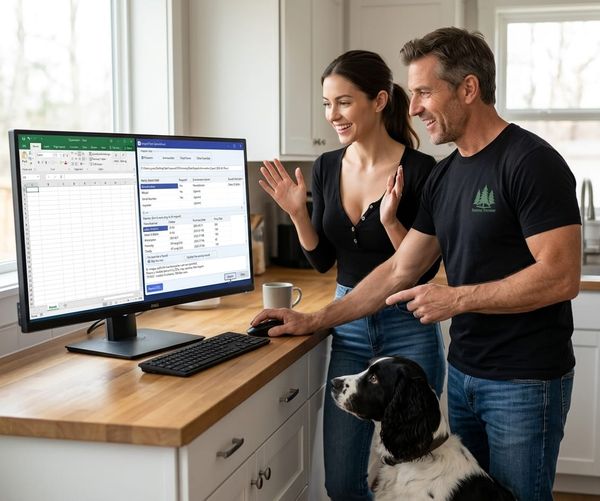
Solutions designed for preparedness and firearm tracking can make this process much easier by helping you maintain inventory details, log maintenance and range use, record round counts, store notes and photos, and keep related ammunition information organized. The goal is simple: less reliance on memory, and more confidence that your firearms will work when you need them.