One list is not preparedness


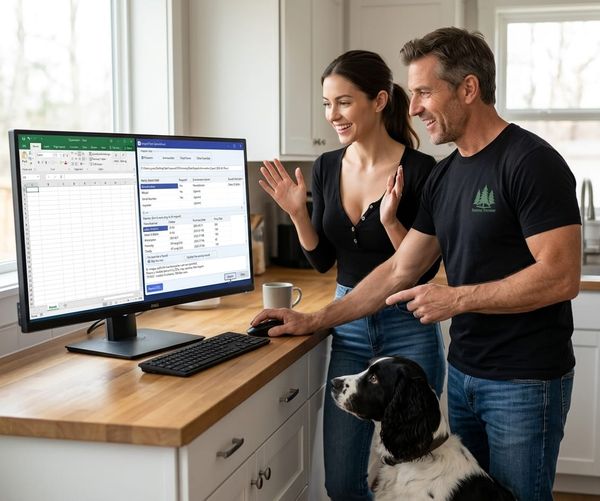
A household readiness record should not be four apps, a spreadsheet only one person understands, and the papers scattered — manuals in a drawer, PDFs in Downloads, a permit on the desktop.
September 2026 · DPO Ready Center 1.5
There is a real market for preparedness software. That is good news. Competition means people are trying to solve a real problem.
Firearm catalogs are good at guns. Pantry apps are good at calories and expiry. Spreadsheets are good at “I already live here.” Government PDFs are good starter lists. None of those sentences is an insult. Each of those tools is a lane.
A lane is not a system of record.
Preparedness fails in the gaps: food with no water to cook it, a go-bag checklist that does not know the shelf, ammunition with no purpose, an IFAK that expired, a certificate in a folder and no log that the gun was cleaned, a permit nobody can find when the network is down.
If you already keep the whole household in Excel — food, papers, checklists, guns, ammo — and you print it, keep Excel until it does not work. If you only keep a gun list, you have a gun list. If you only keep a pantry, you have a pantry. Neither one, by itself, is preparedness.
What “one source of truth” means
DPO Ready Center is a Windows desk tool for a household record you still hold:
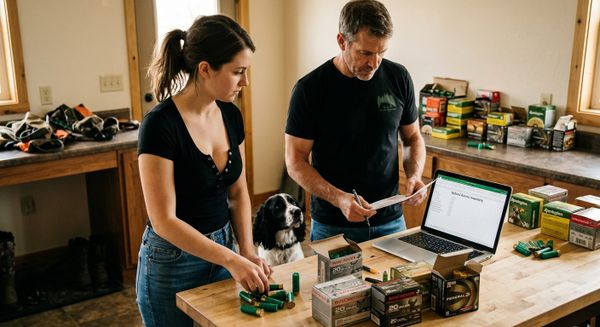
- Firearms and ammunition (including purpose: defensive, hunting, duty, range)
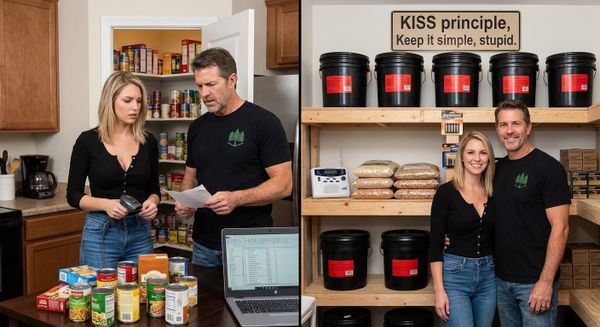
- Food stores and other essentials (days, calories, location, expiry)
- Checklists that can link a line to what is actually on the shelf
- Documents — manuals, permits, policies, training certificates — with encryption only where it is warranted
- Maintenance and usage tied to a serial number
- Paper: HTML reports you can print and put in a binder
That is a system of record. One database. One backup. One USB in a safe. One journal if the PC dies.
It is not a prettier phone app. Hard times do not require a prettier app. They require a system of record you still hold — one source of truth — with a readiness picture and mission views of the same data.
The lanes (so the comparison is fair)
| Lane | What it does well | What it is not |
|---|---|---|
| Spreadsheet | Flexible, yours, printable | Easy to become a file only one person understands |
| Firearm catalog | Guns, ammo counts, range notes | Not food days, not household papers, not a go-bag that knows the pantry |
| Pantry / prep app | Calories, expiry, often a phone in the aisle | Not serial-number firearms or a CCW that has to stay in custody |
| Government / Red Cross lists | Excellent starting checklists | They do not know what you own, where it is, or that the kit expired |
| Ready Center | The household record, offline, Windows, portable | Not a grocery-door scanner, not a phone store listing, not a dealer bound book |
We do not replace FEMA. We hold the list and tie it to the shelf. Ready.gov is a starting list. It does not know you have twenty-one food items and an expired IFAK.
Windows first is a security choice
This product was built because the author needed it — privacy and security work by day, a household that has to function when systems do not.
Sensitive inventory does not belong in a public app store, a vendor cloud, or a device that leaves the house in a pocket. Phones and the internet are convenient. They are not a custody model.
Ready Center 1.5 is a signed Windows program. Community and Standard include Document Center. Data stays in your folder or on a USB you can lock up. There is no DPO account in the middle of your records.
A Linux build for other environments is later. A mapped data directory for several PCs on one drive is later. Neither is this release. Until then: USB, or copy the folder.
Documents are not “a Downloads folder”
1.5 shipped Document Center because the papers were the missing module.
- Sensitive: passport, permit, policy, will — optional storage in the encrypted database.
- Not sensitive: a shotgun manual, a first-aid PDF — disk is enough. Encrypting everything is theater.
Certificates and range logs are different jobs. The USCCA card belongs in Document Center. What the firearm actually did — cleaned, rounds, ammo type, malfunction, next due — belongs in Maintenance / Usage. Family range day can live on a checklist. The shots still go in the log.
Optional Grok is a clerk, not the record
The system of record does not need a network. Optional Grok fill is a convenience for speed of entry on firearms, ammunition, and food stores.
It is off until you paste your xAI key. Every call asks first. Cancel and nothing leaves the PC. Data Protection Operations does not proxy the prompt, hold the key, or see the reply. Output is a draft. You edit. You Save.
The book is the method. Grok is a clerk you can fire. Barcode scan at the grocery door is someone else’s product database. Mission lists and a written method beat scan-dependence. Scan can come later. It is not required for 1.5.
A report card, not a score
An overall readiness view should show dimensions, not a fake “87% prepared”:
- Food days for this household
- Water
- Expired or expiring documents
- Incomplete checklists
- Maintenance due
- Ammunition by purpose, not a mixed pile
Mission reports — stay home, vehicle, on foot, hunting, duty, range — are views of the same record, not new inventories. If you build a second database “for the bug-out bag,” the source of truth splits and you are back to lists.
Who this is for
People who want one household record, offline, under their control.
People who already know a gun list is not a plan.
People who will put a USB in a safe and a paper journal next to it.
If a single-lane tool is all you need, use it. The market is large enough for lanes. Ready Center is for the household that is tired of assembling readiness from four apps and a desktop full of PDFs.
DPO Ready Center 1.5 — Community and Standard. Document Center in both. Download: dataprotectionops.com
DPO Ready Center is a tracking and organization tool. It is not legal, medical, or safety advice. You are responsible for the laws that apply to you.