Vitamins and Supplements: Expiration, Storage, and Keeping Them Ready

Most people treat vitamins and supplements like pantry staples that last forever. They don’t. Heat, moisture, light, and time steadily reduce potency. In a preparedness context this matters more than usual: the bottle you bought “just in case” only helps if it still works when you need it.
This post covers four practical areas: what expiration really means, how to store supplements properly, red flags that a product has gone bad, and simple steps to keep a preparedness supply reliable.
Expiration: What the Date Actually Means
Supplement expiration dates are estimates of remaining potency under good storage conditions, not hard safety cutoffs like those on fresh food. Most reputable manufacturers design products to retain a high percentage of labeled potency until the printed date when stored correctly.
After the date, many vitamins and minerals do not suddenly become dangerous. They simply lose strength. Vitamin C, B vitamins, and some probiotics tend to degrade faster. Fat-soluble vitamins (A, D, E, K) and most minerals are generally more stable. Fish oil, flax oil, and other oils are more vulnerable to rancidity than to simple potency loss.
Key points:
- The date assumes reasonable storage. Poor conditions can shorten useful life well before the printed date.
- “Best by” and “expiration” are often used loosely in the supplement industry. Treat the date as a planning marker, not an absolute.
- For preparedness stock, rotate so that the oldest products are used first (first-in, first-out).
Storage Best Practices
Good storage is the single biggest factor you control.
Temperature
Cool and stable is best. Ideal is roughly room temperature or slightly cooler (around 60–70°F / 15–21°C). Avoid:
- Hot cars
- Windowsills in direct sun
- Cabinets above stoves or near heat vents
- Attics and garages that swing between hot and cold
Heat accelerates chemical breakdown. Repeated temperature swings are often worse than a steady cool environment.
Moisture and Humidity
Moisture is a major enemy. It can cause clumping, mold, and faster degradation. Keep bottles tightly closed. Do not store supplements in bathrooms. In humid climates or basements, consider a sealed container with a desiccant packet.
Light
Many vitamins are light-sensitive. Keep them in their original opaque or amber bottles when possible. If you transfer them, use containers that block light.
Air
Oxygen contributes to oxidation, especially in oils and some vitamins. Close lids promptly after use. Do not leave cotton balls in bottles long-term if the product came with them—some manufacturers recommend removing them to reduce moisture retention.
Original packaging
The manufacturer’s bottle is usually designed for the product. Transferring everything into clear plastic organizers looks neat but often shortens shelf life.
Red Flags: How to Tell If Something Has Gone Bad
Trust your senses and the condition of the product.
Visual changes
- Clumping or hardening that wasn’t present when new
- Color changes (unusual darkening or fading)
- Visible mold, spots, or powder that looks damp
- Cracked, leaking, or swollen softgels/capsules
Smell
- Sharp, sour, paint-like, or “off” odors
- Fish oil or flax oil that smells strongly rancid (fresh fish oil has a mild scent; a harsh, paint-thinner smell is a warning)
Texture and form
- Tablets that crumble excessively or become chalky beyond normal
- Softgels that are sticky, leaky, or fused together
- Powders that have formed hard cakes
Taste (only if appropriate and safe)
- Strongly bitter, metallic, or rancid flavors that differ from the normal taste of that product
When in doubt, replace it. The cost of a new bottle is low compared with relying on a degraded product during a period when you actually need it.
Practical Preparedness Storage
If you keep supplements as part of a readiness plan, treat them like any other time-sensitive supply.
Buy with rotation in mind
Purchase quantities you can realistically use or rotate. A five-year supply of vitamin C that sits in a hot closet for four years is mostly waste.
Control the environment
- Store in a cool, dark, dry interior location.
- Use airtight bins for bulk or opened products.
- Add desiccant packs in humid areas.
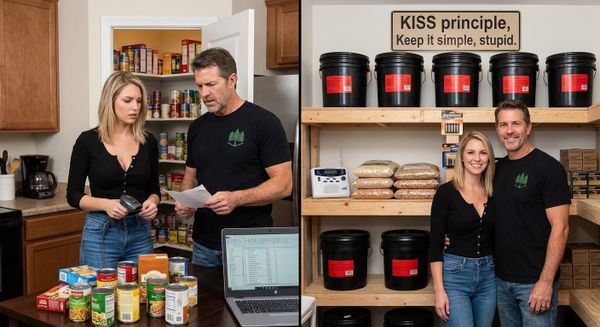
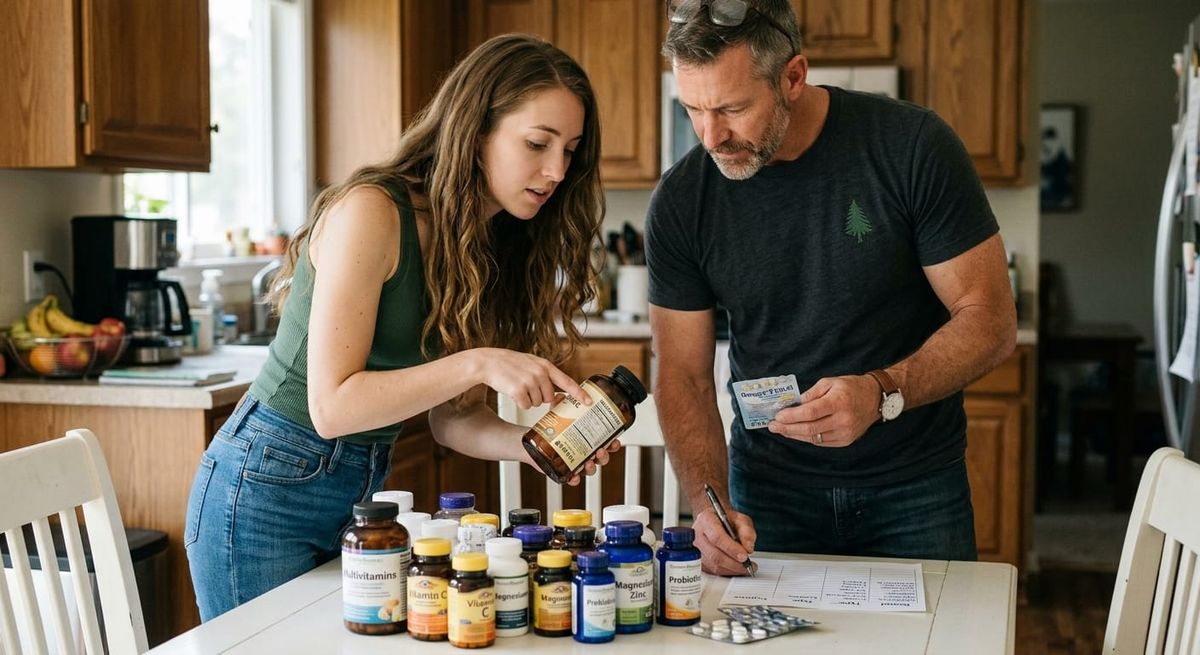
- Keep a simple inventory with purchase or expiration dates (the same discipline you apply to food stores and medications).
Separate daily use from long-term stock
Keep a small working supply in an easy-to-reach place. Store the bulk supply in better conditions and rotate from bulk into the daily bottle.
Protect oils and probiotics
Fish oil, flax oil, and many probiotic products are more fragile. Refrigeration after opening is often recommended—follow the label. For preparedness, buy smaller bottles of oils more frequently rather than large quantities that may go rancid.
Inspect on a schedule
Every few months, quickly check open bottles and long-term stock for the red flags above. Update your inventory when you do.
Document
A simple list or system that records what you have, where it is, and the relevant dates prevents the common problem of discovering expired or compromised supplements only when you reach for them.
Bottom Line
Supplements are not immortal. Expiration dates give a useful planning window, but storage conditions decide whether that window is realistic. Heat, moisture, light, and air quietly reduce potency. Rancid oils and moldy or degraded products should be discarded.
For everyday use, basic cool-dark-dry habits are enough. For preparedness, add rotation, environmental control, periodic inspection, and honest inventory. The goal is simple: when you need the product, it should still be capable of doing what the label claimed.