You Don’t Need to Be Rich to Be Prepared

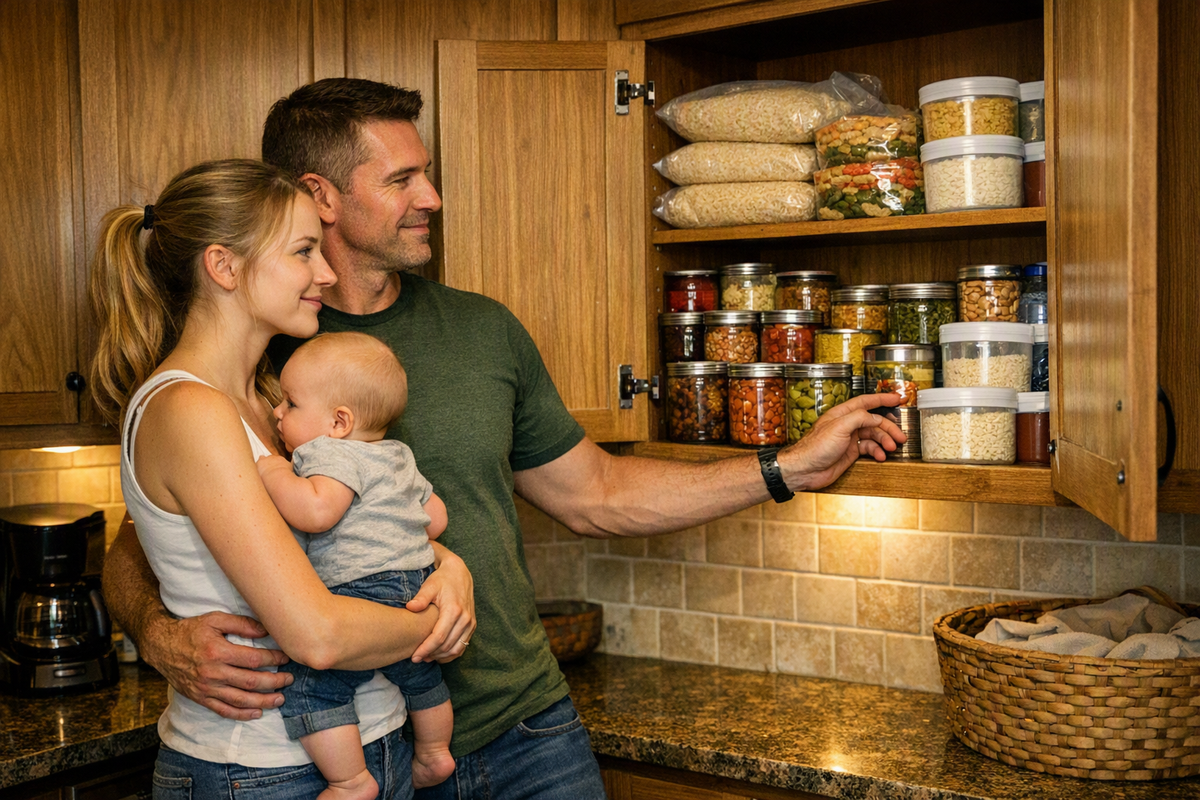
A lot of people believe that emergency preparedness is only for those who can afford expensive freeze-dried food buckets and long-term storage kits. That belief stops many families from taking even the first step.
The truth is simpler: finances should not stop you from preparing. You just need a plan — and the willingness to start small.
Start With What You Already Know
You don’t need 25-year shelf-life food to be ready for a storm or a temporary disruption. Most families can begin by making sure they have enough ordinary food in the house to get through a week without going to the store.
Focus first on foods that are:
- Inexpensive
- Shelf-stable
- Easy to cook with minimal power
- Already part of how most people eat
Good starting points include:
- Rice
- Dried beans and lentils
- Pasta
- Canned vegetables, fruits, and meats
- Peanut butter
- Oatmeal
- Flour, sugar, salt, and cooking oil
These items are affordable, widely available, and last a long time when stored properly. Buying larger bags or cases when they go on sale usually costs less per serving than buying small packages.
A Simple Plan Beats an Expensive One
Instead of trying to build a multi-year food supply overnight, create a realistic plan:
- Decide how many days of food you want to cover first (start with 7 days).
- Calculate how much rice, pasta, beans, and canned goods that requires for your household.
- Buy a little extra each time you shop until you reach that goal.
- Store it properly and rotate it.
This approach is manageable even on a tight budget. Over time, you can expand from one week to two weeks or a month.
Storage Best Practices
Good storage makes ordinary food last much longer:
- Keep food in a cool, dry, dark place.
- Use airtight containers for rice, beans, pasta, and flour to protect against moisture and pests.
- Avoid storing food directly on concrete floors.
- Keep items off the ground and away from exterior walls when possible.
- Label everything with the purchase or “use by” date.
A closet, spare room, or sturdy shelving in a basement or garage (if it stays relatively cool and dry) works well for most people.
A Practical Rotation Schedule
Rotation is more important than ultra-long shelf life. Here is a simple, realistic schedule most families can follow:
Monthly (5–10 minutes)
- Quickly scan open packages and anything close to its date.
- Move older items to the front of the shelf.
- Make a short list of anything that should be used soon.
Every 3 Months
- Do a more thorough check of all stored food.
- Pull anything within 60–90 days of its best-by date and plan meals around it.
- Wipe down shelves and check for signs of pests or moisture.
Every 6 Months
- Review your overall quantities.
- Restock anything that has been used.
- Check that rice, beans, pasta, and flour are still well sealed.
Once a Year
- Do a full inventory.
- Discard anything that is clearly past its prime or damaged.
- Adjust your target quantities based on what your family actually eats.
Use the simple rule: First In, First Out. When you buy new food, place it behind the older packages so the oldest gets used first.
You do not need food that lasts 25 years. You need a system that keeps ordinary food fresh and usable.
Some families also practice home canning. If you enjoy canning, it can be an excellent and economical way to preserve food — just follow tested recipes and proper safety practices.
Don’t Forget the Rest of the Household
Food is only one part of readiness. While building your food supply, also consider:
- Necessary medications and basic first aid supplies
- Toilet paper, soap, trash bags, and other household items
- A manual can opener
- A way to cook if the power is out (camping stove, grill, etc.)
If you buy meat in bulk and rely on a freezer, remember that extended power outages are more common than many people expect. A generator (even a small one) or a backup plan for that food becomes important.
And Don’t Forget the Pets
Pets are part of the family. When building your plan, include:
- Extra pet food
- Any needed medications
- A few days of water for them as well
It is easy to overlook pets until the moment you need the supplies. Adding them to your plan from the beginning prevents that problem.
Progress Over Perfection
Preparedness is not about having a perfect, expensive setup. It is about reducing risk and increasing peace of mind through practical steps. Start with a week of ordinary shelf-stable food. Learn to store and rotate it. Add a little more when you can. Include your pets and basic household needs. A simple plan, followed consistently, will put you ahead of most people — without requiring a large budget. You don’t have to do everything at once. You just have to begin.
How DPO Ready Center Can Help
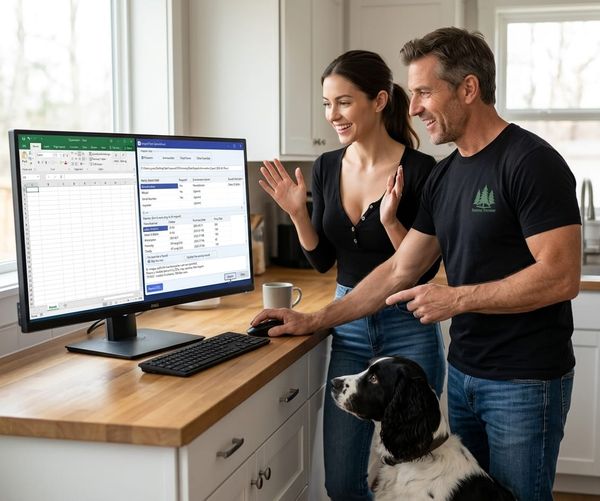
Once you begin storing water, food, and other supplies, the next challenge is keeping track of it all. DPO Ready Center helps you record what you have, where it is stored, and when it needs attention. The software can alert you when inspections or rotations are due and generate clear reports you can print as a paper backup. Having both a digital record and a printed copy means that if an emergency happens and the power is out, you won’t be left wondering what you have or where it is stored — even under stress.