You Have Emergency Food… But What’s Next?

Buying emergency food is an important first step. But simply owning it is not the same as being prepared. The real work begins after the buckets, cans, and pouches are stacked in your storage area. Without good storage practices, regular checks, and some real-world testing, even a large food supply can become less reliable over time.
Here’s what actually matters once you have the food.
Proper Storage Matters More Than Most People Think
Emergency food lasts longest when it is stored carefully. The goal is to protect it from the things that cause it to degrade.
- Store it in a cool, dry place Heat and moisture are two of the biggest threats to long-term food storage. High temperatures can shorten shelf life and affect food quality, while moisture increases the risk of spoilage and packaging failure.
- Avoid large temperature swings Repeated heating and cooling causes packaging materials to expand and contract. Over time this can weaken seals and allow air or moisture to enter.
- Keep food out of direct sunlight Sunlight adds heat and can also degrade packaging over long periods. A dark or shaded storage area is much better for longevity.
- Keep food off concrete floors and away from exterior walls Concrete can transfer moisture, and exterior walls are more exposed to outside temperature changes. Using shelves or pallets helps create a more stable environment.
- Organize and label everything clearly When food is easy to identify and locate, you are far more likely to rotate it properly and notice problems early.
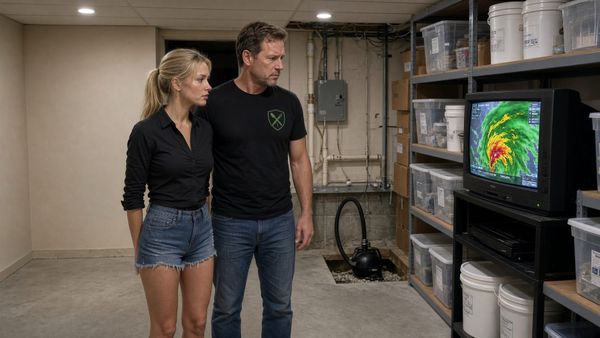
A basement, interior closet, or climate-controlled room is usually a much better long-term location than a garage, attic, or shed.
Regular Checking Is Essential
Food that sits untouched for years can develop problems that go unnoticed until it is too late. Packaging can fail, moisture can get in, or pests can become an issue.
When you inspect your food, it is useful to look at:
- Expiration or best-by dates
- Condition of the packaging
- Signs of moisture, rust, swelling, or damage
- Whether anything has been opened or partially used
Making a habit of checking your stores once or twice a year helps you catch issues early, while there is still time to use or replace the affected items. Keeping a simple record of when items were last checked makes this process much more effective over time.
Best Practices That Actually Help
A few disciplined habits turn a collection of food into a system you can rely on:
- Store food by category and expiration date This makes it much easier to find what you need and to use older items first.
- Use the oldest food first whenever possible Rotation prevents food from sitting unused until it is well past its best window.
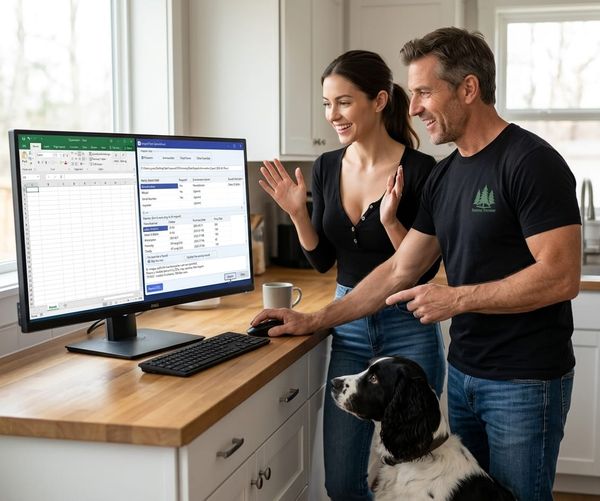
- Keep an accurate count of what you own Knowing your total quantities and servings helps you understand how long your supply will actually last.
- Track how many people the food is intended to support A supply that looks large for one or two people may be far less adequate for a larger household.
- Know the approximate calorie content of your stores Calories matter in a real emergency. Having a rough understanding of your total caloric resources helps with realistic planning.
- Separate items that are good, nearing expiration, or already expired This prevents questionable food from being mixed in with reliable stock.
- Record where each item is stored Clear location tracking saves time and reduces stress when you actually need to find something quickly.
These practices are simple, but they make a significant difference in how useful your food supply will be when it matters.
Try It Before You Need It
One of the most valuable things you can do is actually prepare and eat some of your emergency food before a real emergency happens.
Doing this teaches you several important lessons:
- How long it really takes to prepare Some meals are quick. Others take more time and fuel than people expect.
- How much water is required Many freeze-dried and dehydrated foods need a surprising amount of water for cooking and cleanup.
- What the food actually tastes like Flavor fatigue is real. It is better to learn what you and your family are willing to eat ahead of time.
- Whether your family will eat it Food that looks good on paper is not helpful if people refuse to eat it.
- What extra items you may need You may discover that you need a better can opener, seasoning, a different cooking pot, or a more efficient stove.
Testing your food in normal conditions is one of the lowest-cost ways to improve your preparedness.
Other Essentials You Need to Prepare
Food alone is not enough. To make real use of your emergency supply, you also need to think through the supporting pieces:
- A reliable way to cook without normal power or gas
- Enough clean water for both food preparation and basic hygiene
- Basic cooking utensils and a way to clean them
- A manual can opener
- A realistic understanding of how many days your current supply will last under different conditions
When these elements are considered together, your food storage becomes far more practical and dependable.
Summary
Owning emergency food is a good start. Storing it correctly, checking it regularly, rotating it properly, and testing it ahead of time is what turns it into real preparedness. The more familiar and organized you are with your food supply, the more useful it will be when you actually need it.