You’ve stocked the shelves. Do you know if you’re actually ready?


Collecting food and supplies for an emergency is a solid first step. Many households do that much—extra water, a few cans, a flashlight in a drawer. The harder question is quieter and more practical: are you sure?
Have you walked through a real checklist—not once years ago on a printed page, but in a way you can still trust today?
DPO Ready Center ships with core checklists built around the same practical themes you’ll find in public readiness guidance (including Ready.gov-style kit thinking). Out of the box you get structure for:
- 72-Hour Emergency Kit — the short-horizon bag and shelf items meant to cover the first critical days: water, ready-to-eat food, light, communication, basic tools, and related needs.
- Basic Emergency Supply Checklist — the broader household foundation: ongoing supplies, sanitation, documents, and the items people often assume they have until they look.
- Additional Kit Requirements — the “your household isn’t generic” layer: infants, pets, medical needs, extra clothing, and other additions that standard one-page lists gloss over.
- Vehicle Emergency Supply Checklist — the kit that lives in the car you actually drive: seasonal weather, roadside reality, and the supplies that matter when you’re not at home.
You can edit every list. Mark what doesn’t apply as N/A. Adjust quantities and notes. The point isn’t to copy someone else’s life—it’s to finish a list that matches yours.
Then the checklist becomes living—not filed.
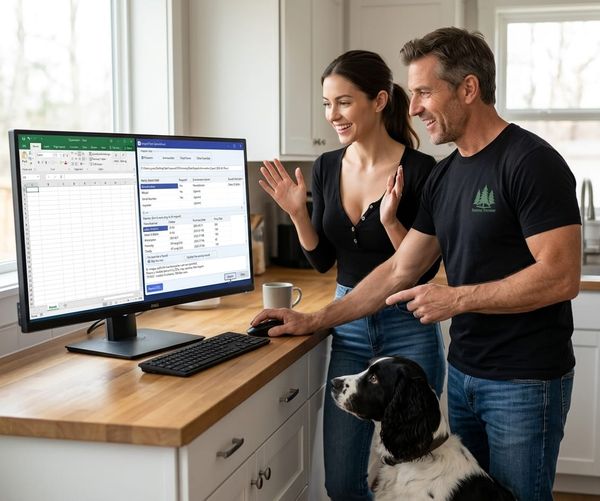
Each item carries status (Have / Need / N/A), quantity, unit, notes, and last checked. Progress is visible: how many items you have, and what percent of the list is complete. You’re not guessing from a yellowed printout in a drawer.
Where Ready Center goes further is the link to what you already track.
Checklist lines aren’t trapped in isolation. Items can be tied to your Food Stores and Essentials inventory—the same places you already record what you own, where it’s stored, and when it needs attention. Instead of a floating checkbox that says “non-perishable food,” you can connect readiness to real stock: what’s on the shelf, what’s been inspected, and what still needs a buy or a rotation.
That closes the gap Ready.gov-style paper lists leave open. Public checklists are excellent for what to think about. They don’t remember your pantry, your expiry habits, or which bin in the basement holds the can opener. DPO Ready Center keeps the checklist and the inventory in one system, so “Have” can mean verified against what you actually store—not only a memory from last spring.
That’s the difference between “we bought supplies once” and “we have a plan we can open when we need it.”
You’re not preparing because disaster is certain. You’re preparing so that if the power fails, the roads close, or an ordinary hard week runs longer than expected, you’re not starting from zero. A living checklist—backed by food and essentials you already manage—supports quiet confidence. You know what you have. You know what’s been checked. You know what to restock on a normal Saturday.
Ready is freedom to get on with life.
When the practical details are already handled, you spend less energy worrying and more energy living.
Start today with the free version of DPO Ready Center.
Install it, open a core checklist, mark what you already have, and link items to your food and essentials as you build your inventory. You’ll see progress in minutes—and you’ll have a living list waiting when you need it.
Get started: dataprotectionops.com
Data Protection Ops – Ready Center. Checklists you can keep current—connected to what you own.