Legally Preparing Your House for Civil Unrest

Construction Matters
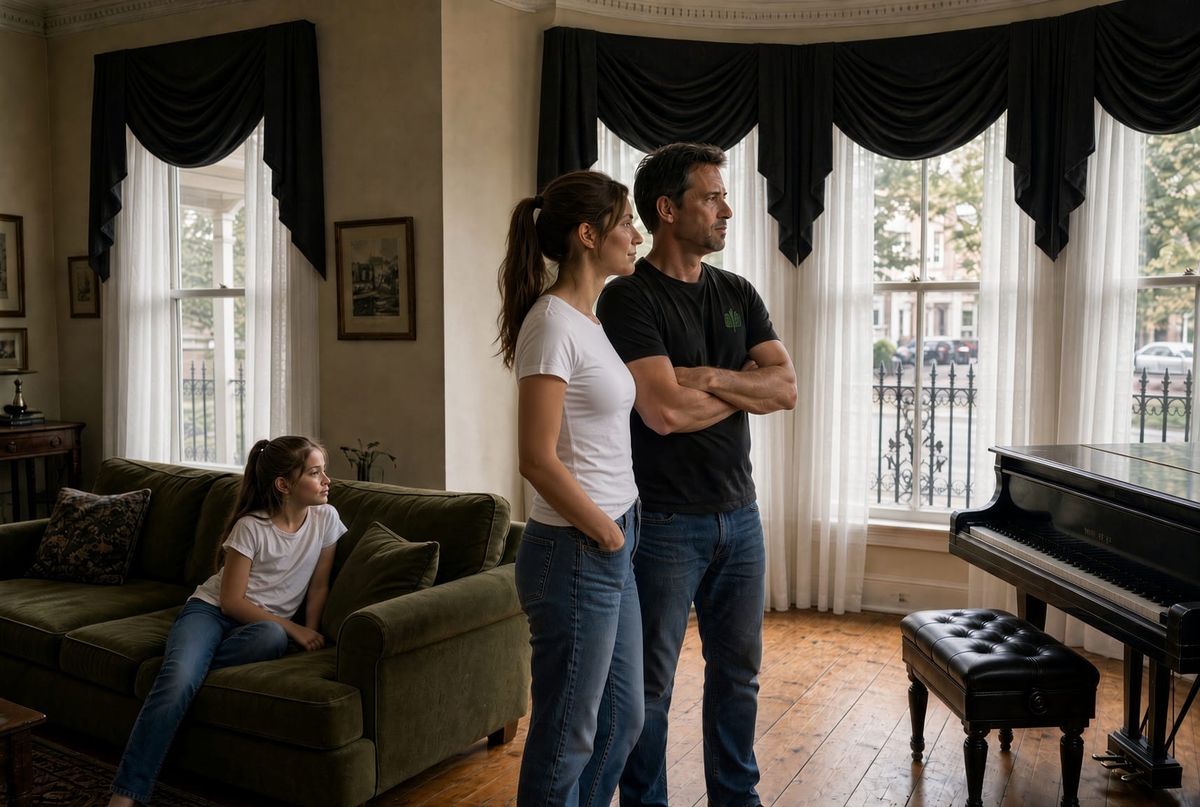
Solid multi-wythe brick (especially older load-bearing masonry) provides meaningful resistance to forced entry and most common projectiles. A three-wythe brick wall is a substantial barrier and may provide some resistance to a stray bullet. Post-and-beam construction with siding is lighter and faster to breach. The structural difference is real: brick absorbs and spreads impact; light framing and siding do not. Neither is immune, but the starting point is different. That protection does not help if you are standing by a window watching the street—security cameras are for that.
Windows remain the weak point in either system. Large or street-facing openings are the highest priority. Security or laminated glass helps against impact and slows entry. Ballistic-rated glass works for the threats it is rated against and preserves appearance, but it is expensive on large custom openings. Architectural-style metal shutters that can be locked, or motorized covers, give a physical barrier that can be deployed when needed without changing the look of the house when open.
Fences and Approach
A fence does not stop a determined person, but it changes the calculation. A six-foot fence on the sides and rear limits casual access and forces someone to cross a barrier before they reach the house. A lower wrought-iron fence on the front is more open by design, which is why street-facing windows and the ability to lock the front gates matter. Locking the gates during elevated threat is a normal property-owner action. It does not require special materials.
Sharp barriers such as razor wire or broken glass on wall tops are commonly prohibited in residential zones. Local ordinances and state rules on barbed or sharp wire near streets do not suspend during civil unrest. Those options create legal and liability problems rather than legal protection.
Fire
Unrest sometimes includes arson or thrown incendiaries. A working fire extinguisher (or more than one) placed where it can be reached quickly is a basic and legal step. It does not replace the rest of the plan, but it addresses a specific risk that solid walls and locked gates do not.
Cameras: Ring versus Local / Hard-Wired
Ring and similar cloud systems are convenient. They are easy to install, provide remote viewing, and integrate with other services. The tradeoffs are real: footage lives on a third-party server, useful recording usually requires a subscription, the system depends on internet, and there is a history of law-enforcement requests and occasional access issues.
A local hard-wired system (PoE cameras feeding a network video recorder on the property) keeps the footage under your control. It continues to record if the internet is down, has no ongoing subscription for basic use, and removes the third-party storage question. The costs are higher up front and the setup is more involved. Remote viewing typically requires a VPN or similar arrangement. For a property that already has an alarm and is concerned about control of footage, the local approach is the stronger long-term choice. A hybrid is also workable if you want to keep a couple of simple devices at key entry points.
Practical Prioritization
Most of the value comes from addressing the visible, reachable openings and the approach, not from trying to harden every surface. Solid construction, the ability to secure gates, working extinguishers, and cameras that stay local address the common risks without crossing legal lines. The restrictions that exist in city limits are real; the measures that remain available are still effective when applied in layers.
Disclaimer
This is general information, not legal advice. Laws, zoning rules, and local ordinances vary by city and town. Check your local regulations and consult a qualified professional before making changes to your property.