When the News Is About Money, Not Weather

Today’s headlines were about economic instability - support for the yen, earlier interventions for Argentina, and the usual swirl of markets, fuel, and prices. Those stories can feel distant until they show up at the pump, the grocery aisle, or the checkout screen.
Not every disruption is a long crisis. A short run of higher prices, a few days of awkward supply, or a payment outage can still throw off a household that assumed everything would work as usual. We tend to prepare for the problems we can picture. The ones that catch people off guard are often smaller, shorter, and easier to ignore in advance.
Everyday hedges that actually help
A stocked freezer and pantry
When prices jump because fuel is expensive or supply is tight, you are not forced to buy at the peak. Having basics on hand turns a short inflation bump into an inconvenience instead of a scramble. Rotation matters: use older items first, restock what you actually eat, and treat the pantry as a buffer, not a museum.
Cash when technology fails
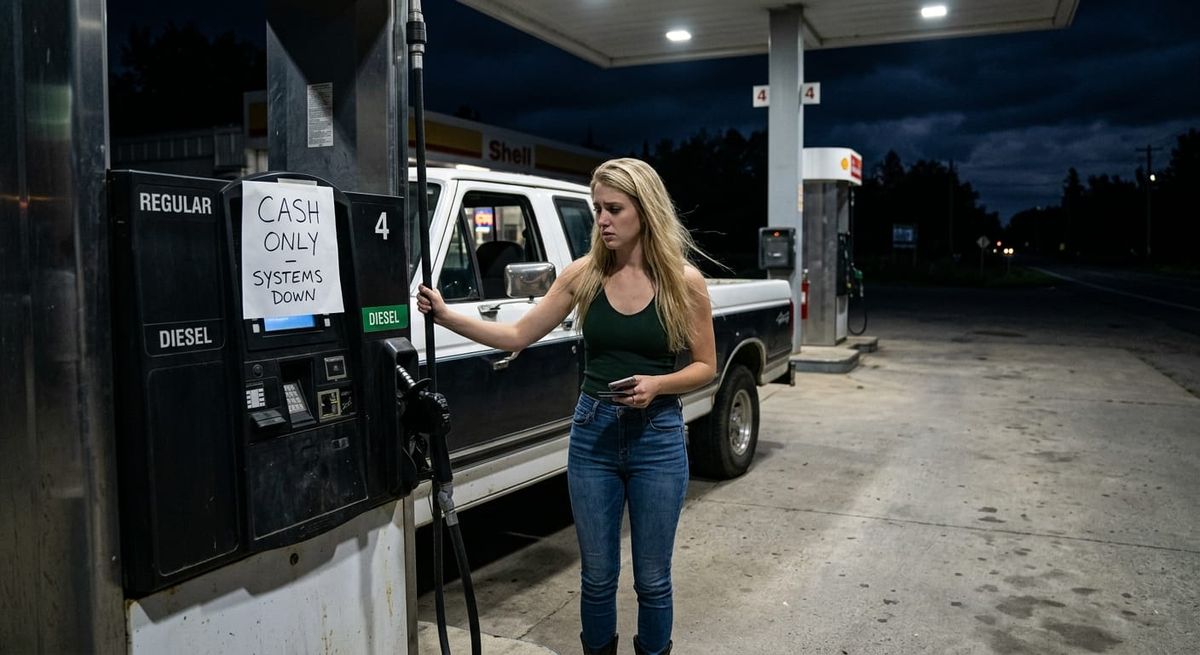
Apple Pay down. Card networks slow. The station’s reader offline. It happens often enough that “I only carry cards” is a single point of failure. A modest amount of cash in the vehicle and at home is not nostalgia - it is a backup channel when the digital layer blinks. The practical ramification is simple: you can still buy fuel, food, or a meal when the screen says no.
Fuel and transport costs
Higher diesel and gasoline prices ripple into almost everything. Keeping the tank above half, knowing alternate routes, and having a small reserve for essential trips reduces the stress of a sudden price jump or a local shortage rumor. The car is part of the plan, not just a way to get to the store after the plan fails.
The “what if” layer
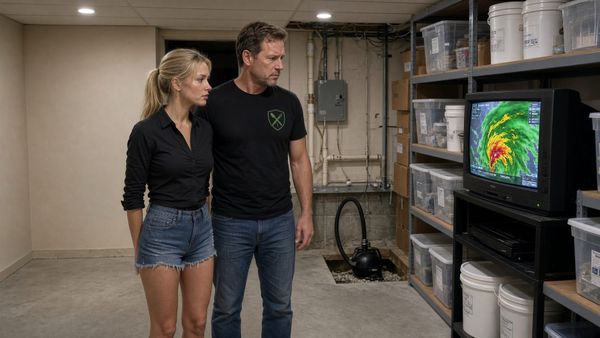
A 72-hour household checklist is not only for storms. Power glitches, water advisories, road closures, or a few days when shelves look thin are all within that window. Water, shelf-stable food, medications, light, a way to charge a phone offline of the grid for a bit, and copies of critical numbers still matter when the emergency is economic rather than meteorological.
A vehicle checklist is the mobile version of the same idea: water, snacks, cash, basic tools, charger, blanket, and whatever your climate demands. If you cannot get home on schedule, or you need to help someone else, the car is often the first kit you can reach.
Other gaps that show up in real life:
- Prescriptions that run out the same week prices or access get awkward
- Pet food and supplies left to “pick up later”
- Assuming the workplace or school will absorb every disruption
- No paper list of accounts, contacts, or medical info when phones are dead or networks are congested
None of these require a bunker. They require deciding, once, what “a few hard days” should look like in your house and car.
Why “being ready” is not only for disasters
Preparation is often framed as rare catastrophe. A more useful frame is optionality. Stocked supplies and simple backups give you time. Time to wait out a price spike. Time to avoid a panic purchase. Time to solve a payment failure without stranded-at-the-pump drama. Literal storms and financial weather both reward the same habit: reduce how many single points of failure you live with.
In a tightly connected world, more of daily life sits on networks, cards, and just-in-time shelves. That efficiency is convenient until it is not. The households that weather short shocks best are usually the ones that already treated “what if the usual path is closed for 48–72 hours?” as a normal question — not a dramatic one.
Start small if you need to: cash in two places, a real 72-hour pass over the pantry and meds, and a car kit that is actually in the car. The goal is not to predict the next headline. It is to be less brittle when the headline is about something you did not expect.